
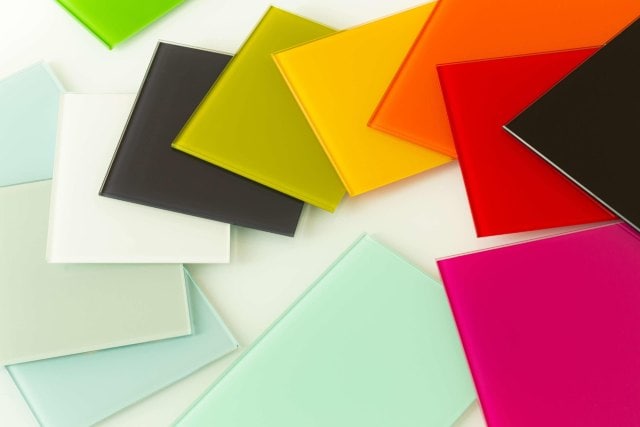
 CUSTOM OPTICAL FILTERS
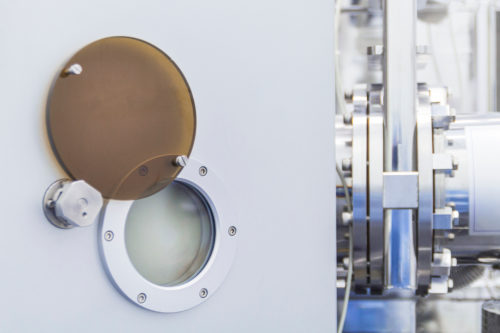 OPTICAL WINDOWS
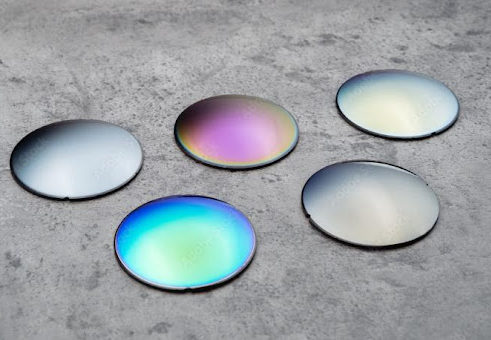 OPTICAL COATINGS
 UV OPTICS
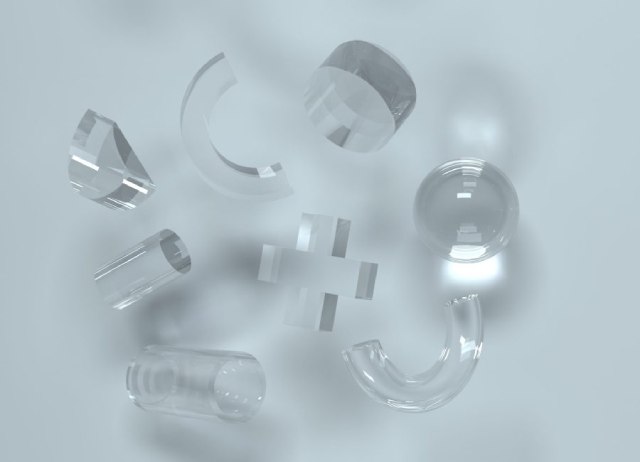 CYLINDRICAL OPTICS
 CUSTOM TEMPERED OPTICS
 OPTICAL MIRRORS
 NEUTRAL DENSITY
 PRISMS & RETROREFLECTORS
 ASSEMBLIES
 OPTICAL LENSES
 NIGHT VISION FILTERS
 ACHROMATIC LENSES
 OPTICAL BEAM SPLITTERS
Neutral Density Filters: The Simple Tool That Unlocks Creative Control
Created at : Dec 29 2025
In photography and videography, light is everything. Too little light and an image falls apart in grainy shadows. Too much light and highlights blow out, erasing detail forever. Cameras give us tools to manage light—aperture, shutter speed, and ISO—but sometimes those controls alone aren’t enough. That’s where neutral density filters come in.
Neutral density (ND) filters are one of the most powerful yet misunderstood accessories in a camera bag. They don’t add color, sharpen details, or correct distortion. Instead, they do something far simpler—and far more important: they reduce the amount of light entering the lens without affecting the color or tone of the image. That single function opens the door to creative possibilities that simply aren’t possible otherwise.
What Is a Neutral Density Filter?
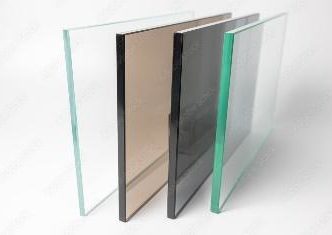
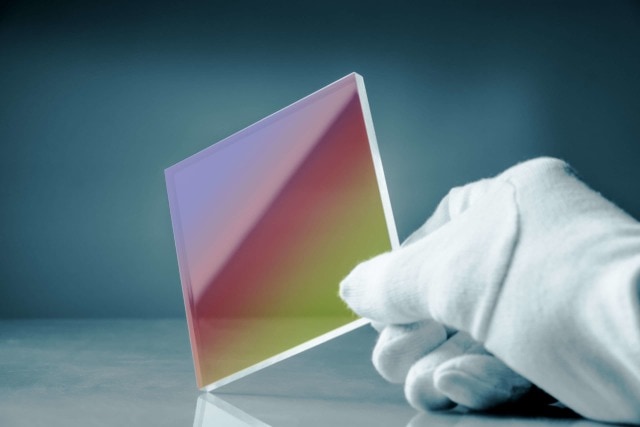
At its core, a neutral density filter is a piece of darkened glass or resin that attaches to the front of a camera lens. Its purpose is to limit light evenly across the entire image. The word “neutral” is key here—it means the filter is designed not to alter color balance or contrast, only brightness.
Think of ND filters like sunglasses for your camera. On a bright day, sunglasses reduce glare and allow your eyes to stay relaxed. ND filters do the same thing for your camera sensor, letting it “see” the scene without being overwhelmed by light.
ND filters come in different strengths, typically labeled by how many stops of light they reduce. For example, an ND8 filter reduces light by three stops, while an ND64 reduces it by six stops. Stronger filters block more light, giving you more control in bright conditions.
Why Cameras Alone Aren’t Always Enough
Modern cameras are incredibly capable, but they’re still bound by physical limits. In bright daylight, you may want to shoot with a wide aperture like f/1.8 to create a soft, blurred background. However, even at the lowest ISO and fastest shutter speed, the image can still be overexposed.
Similarly, you may want to use a slow shutter speed to capture motion—flowing water, drifting clouds, or moving crowds—but daylight forces the shutter to stay fast to avoid overexposure.
ND filters solve this problem by reducing the incoming light before it ever reaches the camera sensor. That gives you the freedom to choose creative settings instead of being boxed in by the brightness of the scene.
Long Exposure Photography in Daylight
One of the most popular uses of neutral density filters is long exposure photography. Normally, long exposures are associated with nighttime shooting, when light levels are low. But with an ND filter, you can create long exposures in full daylight.
This technique is often used in landscape photography. Waterfalls transform into smooth, silky ribbons as rushing water blurs together over several seconds. Ocean waves turn misty and ethereal. Clouds stretch across the sky, creating dramatic streaks of motion that give still images a sense of time passing.
In urban environments, long exposures can make crowds disappear. People walking through a scene blur into invisibility, leaving behind empty streets and architecture that feel calm and surreal. Without an ND filter, these effects would be impossible under bright conditions.
Using Wide Apertures in Bright Light
Depth of field is a powerful storytelling tool. A wide aperture creates subject separation, drawing the viewer’s eye exactly where you want it. Portrait photographers rely on this effect to isolate faces from busy backgrounds.
The challenge comes when shooting outdoors. Bright sunlight forces the aperture to close down to prevent overexposure, increasing depth of field and reducing background blur. An ND filter allows photographers to keep the aperture wide open, even at midday.
By cutting the light before it enters the lens, ND filters make shallow depth of field possible in environments where it otherwise wouldn’t work. The result is a more cinematic, intentional look that elevates even simple scenes.
Essential for Video Work
Neutral density filters are especially important in video production. Unlike photography, video shutter speed is often locked to maintain natural motion blur. A common rule is to set the shutter speed to roughly double the frame rate—for example, 1/60 second when shooting at 30 frames per second.
In bright conditions, that fixed shutter speed can easily cause overexposure. Without an ND filter, videographers are forced to stop down the aperture or raise shutter speed, both of which negatively affect image quality and motion.
ND filters give videographers the freedom to maintain proper shutter speed while choosing the aperture that best suits the scene. This is why ND filters are considered essential gear for outdoor video shoots, interviews, documentaries, and cinematic content.
Balancing Challenging Lighting
Some scenes contain extreme brightness that can’t be managed through camera settings alone. Snowy landscapes, reflective surfaces, or scenes with strong highlights can overwhelm a camera sensor.
ND filters help tame these conditions by reducing overall exposure, preserving detail in bright areas and creating a more balanced image. While they don’t replace tools like graduated filters or HDR techniques, they play an important role in exposure control when light becomes difficult to manage.
Creative Motion Effects
Beyond technical control, ND filters are powerful creative tools. They allow photographers and videographers to experiment with motion in ways that feel artistic rather than accidental.
A moving subject can be intentionally blurred while the rest of the frame stays sharp. Spinning objects, flowing fabric, traffic trails, and mechanical motion can all be emphasized using slower shutter speeds enabled by ND filters. These effects add energy, emotion, and visual interest to images that might otherwise feel static.
Types of Neutral Density Filters
There are several types of ND filters, each suited to different needs. Fixed ND filters provide a specific level of light reduction and are valued for their optical quality and consistency. Variable ND filters allow photographers to adjust strength by rotating the filter, making them especially popular for video work where lighting conditions change quickly.
Graduated ND filters, which transition from dark to clear, are often used to balance bright skies with darker foregrounds in landscape photography. Each type serves a distinct purpose, and many photographers carry more than one option depending on the shoot.
A Small Tool with Big Impact
Neutral density filters may not be flashy, but their impact on creative freedom is enormous. They remove technical limitations and replace them with choice. Instead of adjusting your vision to fit the light, you can adjust the light to fit your vision.
Whether you’re smoothing water in a landscape, capturing cinematic motion in video, or isolating a subject in harsh sunlight, ND filters give you control where it matters most. They’re a reminder that sometimes the simplest tools are the ones that unlock the greatest possibilities.