
 CUSTOM OPTICAL FILTERS
 OPTICAL WINDOWS
 OPTICAL COATINGS
 UV OPTICS
 CYLINDRICAL OPTICS
 CUSTOM TEMPERED OPTICS
 OPTICAL MIRRORS
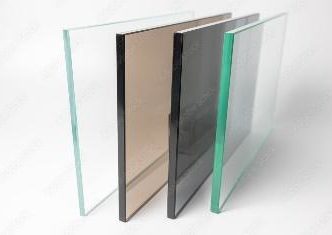 NEUTRAL DENSITY
 PRISMS & RETROREFLECTORS
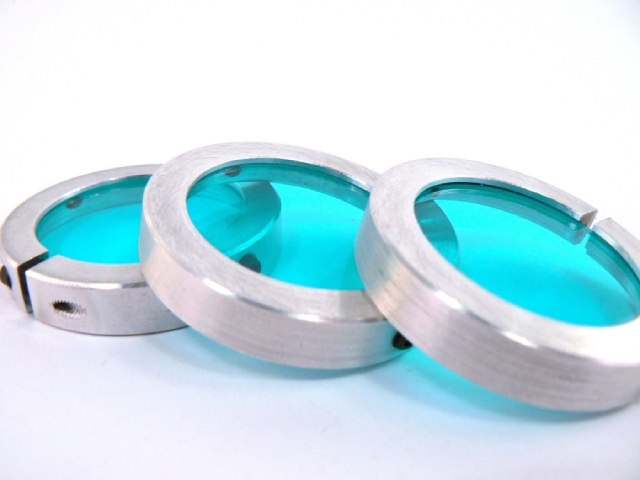 ASSEMBLIES
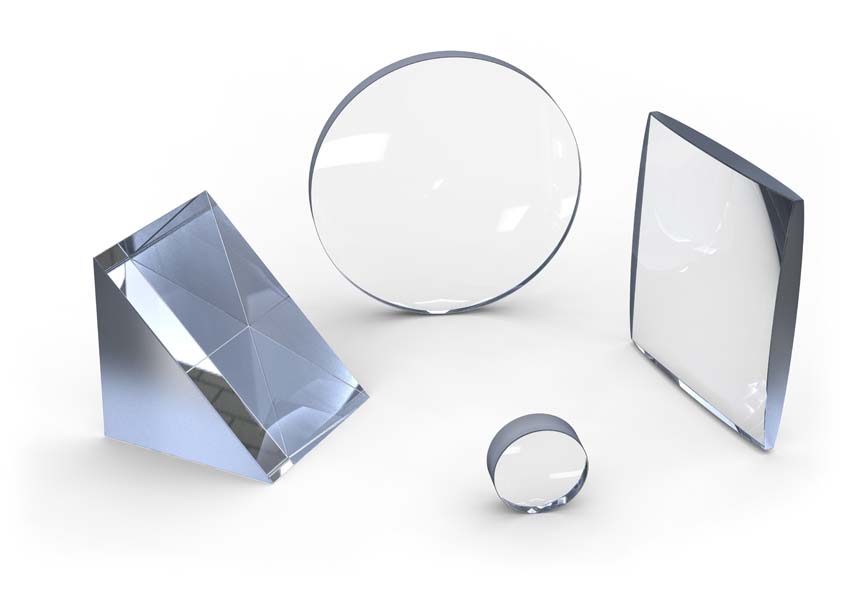 OPTICAL LENSES
 NIGHT VISION FILTERS
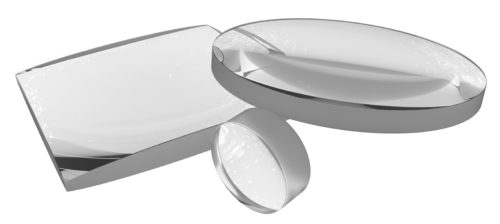 ACHROMATIC LENSES
 OPTICAL BEAM SPLITTERS
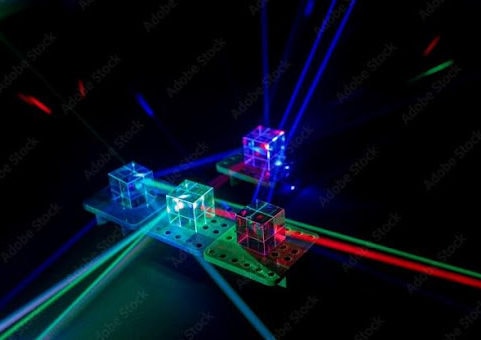
The Art and Precision Behind Optical Assemblies: Where Light Meets Engineering
Created at : Jan 26 2026
At first glance, light seems simple. It travels, it reflects, it bends—and we see the world because of it. But harnessing light with precision is anything but simple. Behind every high-performance camera, medical imaging system, laser instrument, or aerospace sensor lies a carefully engineered optical assembly: a finely tuned system where multiple optical components work together as one.
As a company that specializes in designing and manufacturing optical assemblies, we see firsthand how critical these systems are to modern technology. Optical assemblies are not just collections of lenses and mirrors—they are precision instruments that require deep expertise in optics, mechanical engineering, materials science, and meticulous assembly techniques. When done right, they transform raw light into accurate data, crisp images, and reliable performance in demanding environments.
What Is an Optical Assembly?
An optical assembly is a fully integrated system of optical components that are aligned, mounted, and secured to perform a specific function involving light. These components may include lenses, mirrors, prisms, filters, optical windows, and protective housings. While each component has its own role, the true value of an optical assembly comes from how precisely these elements are combined.
Unlike standalone optical parts, an optical assembly is engineered as a complete solution. Every dimension, angle, surface finish, and alignment tolerance is intentional. Even microscopic deviations can impact image quality, signal strength, or system reliability. That’s why optical assemblies demand a level of precision that goes far beyond standard mechanical assemblies.
More Than Just Optics: A System-Level Approach
One of the most common misconceptions is that optical assemblies are primarily about lenses. In reality, optics are only part of the equation. The mechanical structure that holds those optics in place is equally critical.
A well-designed optical assembly must:
- Maintain precise alignment over time
- Withstand temperature changes and vibration
- Protect sensitive optical surfaces from contamination
- Integrate seamlessly into a larger system
This requires close collaboration between optical designers and mechanical engineers. Material selection plays a key role—metals, polymers, and specialty alloys are chosen based on thermal expansion, weight, durability, and environmental exposure. In some cases, assemblies must operate in extreme heat, vacuum conditions, or corrosive environments without losing alignment or performance.
Precision Alignment: Where Performance Is Won or Lost
Alignment is the heart of optical assembly manufacturing. Light does not forgive errors. A lens that is off by a fraction of a degree can introduce distortion, reduce efficiency, or render a system unusable.
Our assembly process focuses heavily on:
- Optical axis alignment
- Centering and spacing of elements
- Angular accuracy
- Repeatability and stability
Depending on the application, alignment may be achieved through mechanical fixturing, precision shimming, active alignment techniques, or optical feedback systems. In high-performance assemblies, components are often aligned while the system is operating, ensuring optimal performance under real-world conditions.
Once aligned, components must be secured without introducing stress. Improper bonding or clamping can deform optics at a microscopic level, altering how light passes through the system. This is why experienced optical assembly technicians—and controlled assembly environments—are so essential.
Applications Across Critical Industries
Optical assemblies are foundational to a wide range of industries, many of which rely on absolute accuracy and reliability.
In medical and life sciences, optical assemblies power imaging systems used for diagnostics, surgery, and research. Clear, distortion-free imaging can directly impact patient outcomes.
In aerospace and defense, optical assemblies are used in navigation systems, targeting optics, surveillance equipment, and satellite payloads. These assemblies must perform flawlessly under extreme conditions, including vibration, shock, and wide temperature ranges.
In industrial and manufacturing environments, optical assemblies enable laser cutting, metrology, machine vision, and inspection systems. Precision optics help manufacturers measure, cut, and inspect parts with incredible accuracy.
In scientific research, optical assemblies are critical to spectroscopy, microscopy, and experimental physics. Here, optical performance is often pushed to its theoretical limits.
Across all these applications, one thing remains constant: the optical assembly must perform exactly as designed, every time.
Custom Optical Assemblies: Designed for the Real World
Off-the-shelf optics can be useful, but many applications demand custom optical assemblies tailored to specific requirements. Custom assemblies allow engineers to optimize performance, reduce size and weight, improve durability, and integrate optics seamlessly into existing systems.
From concept to completion, custom optical assembly development often includes:
- Optical design and modeling
- Mechanical housing design
- Prototype assembly and testing
- Performance validation
- Scalable production
This end-to-end approach ensures that the final assembly meets both optical and mechanical requirements, rather than forcing compromises late in the design process.
Cleanliness, Control, and Quality
Because optical components interact directly with light, cleanliness is non-negotiable. Dust, oils, and microscopic debris can scatter light, reduce transmission, or permanently damage coatings.
That’s why optical assemblies are often built in controlled environments and handled using specialized tools and procedures. Every step—from cleaning and handling to final inspection—is designed to protect optical surfaces and ensure consistent performance.
Quality control doesn’t stop at visual inspection. Optical assemblies are typically tested for:
- Optical performance
- Alignment stability
- Environmental durability
- Mechanical integrity
Only after passing these checks is an optical assembly ready for integration into its final application.
The Value of an Experienced Optical Assembly Partner
Building optical assemblies requires more than equipment—it requires experience. Knowing how materials behave, how light responds to stress or misalignment, and how assemblies perform over time comes from years of hands-on expertise.
An experienced optical assembly partner understands how to:
- Translate optical designs into manufacturable assemblies
- Anticipate alignment and tolerance challenges
- Balance performance, cost, and scalability
- Deliver repeatable, reliable results
This expertise can significantly reduce development time, minimize costly redesigns, and ensure long-term system success.
Bringing Light Under Control
At its core, optical assembly manufacturing is about control—controlling light with precision, repeatability, and purpose. When optics and mechanics are brought together thoughtfully, the result is a system that enables innovation across industries.
As an optical company dedicated to creating high-quality optical assemblies, we see our work as both a science and an art. Every assembly represents countless decisions, careful alignments, and rigorous testing—all aimed at one goal: delivering light exactly where and how it’s needed.
Because when light is controlled with precision, technology can see farther, measure more accurately, and perform at levels that once seemed impossible.