 CUSTOM OPTICAL FILTERS
 OPTICAL WINDOWS
 OPTICAL COATINGS
 UV OPTICS
 CYLINDRICAL OPTICS
 CUSTOM TEMPERED OPTICS
 OPTICAL MIRRORS
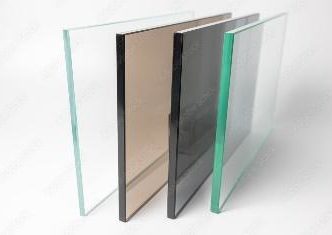 NEUTRAL DENSITY
 PRISMS & RETROREFLECTORS
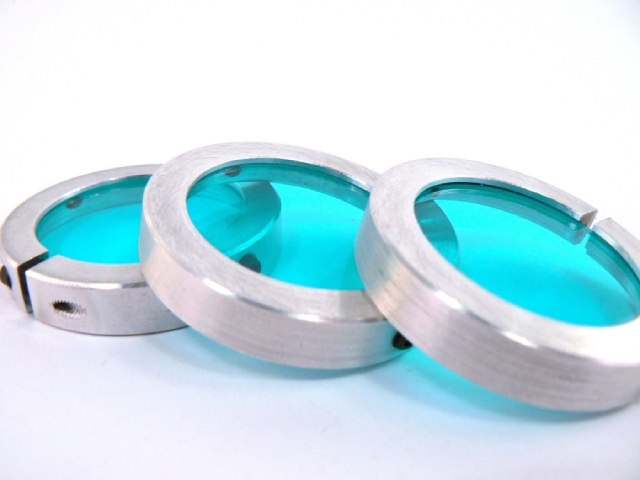 ASSEMBLIES
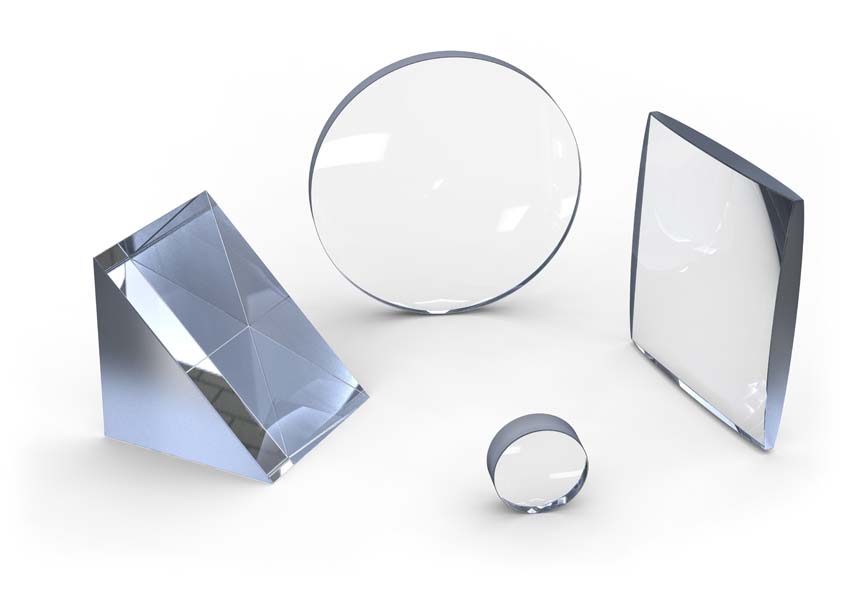 OPTICAL LENSES
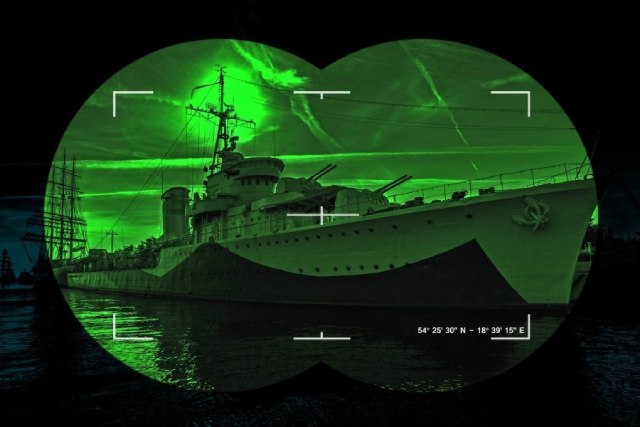 NIGHT VISION FILTERS
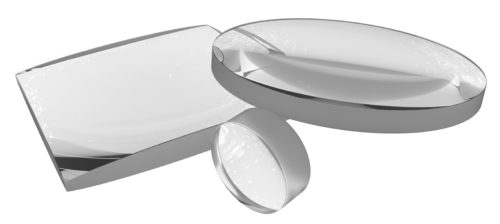 ACHROMATIC LENSES
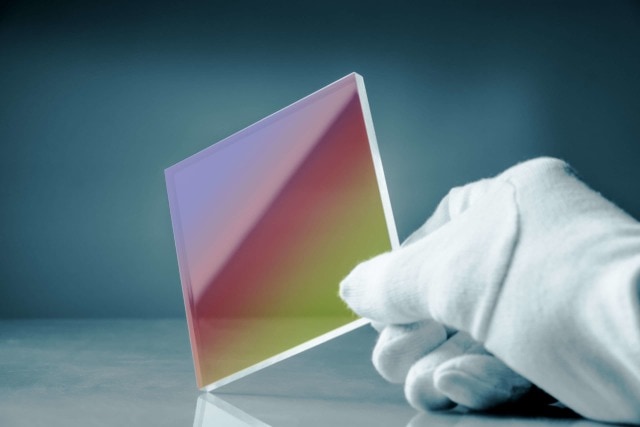 OPTICAL BEAM SPLITTERS
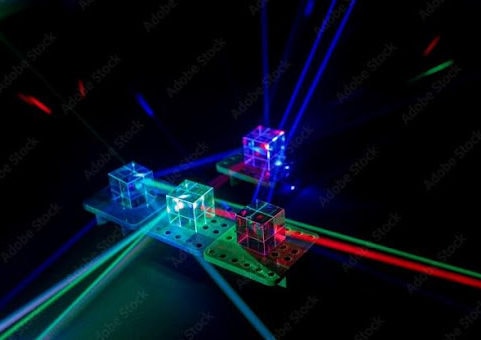
Optical Bonding: The Invisible Technology That Makes Modern Optics Perform Better
Created at : Jul 06 2026
Optical Bonding: The Invisible Technology Behind High-Performance Optical Systems
When people think about advanced optical systems, they often picture precision lenses, mirrors, or sophisticated imaging sensors. While these components are certainly essential, another manufacturing process works behind the scenes to dramatically improve their performance: optical bonding.
From military targeting equipment and medical imaging devices to aerospace sensors and industrial machine vision systems, optical bonding helps today's most advanced optical assemblies deliver brighter images, greater durability, and improved reliability. By eliminating the tiny air gaps that naturally occur between optical components, manufacturers can create assemblies that transmit more light, reduce unwanted reflections, and withstand challenging operating environments.
For industries where optical performance is critical, optical bonding has become an indispensable part of modern optical manufacturing.
What Is Optical Bonding?
Optical bonding is the process of permanently joining two or more transparent optical components using a specially engineered, optically clear adhesive. Instead of leaving a thin layer of air between pieces of glass or plastic, the adhesive completely fills the space between the components.
This may seem like a small change, but it has a significant impact on how light travels through the optical assembly. Because the adhesive is carefully selected to closely match the refractive index of the surrounding materials, light passes through the bonded components with far less reflection and scattering than it would if an air gap remained.
The process can be used to assemble precision lenses, optical windows, prisms, filters, protective covers, sensor windows, and other custom optical components into a single, integrated system.
Why Eliminating Air Gaps Matters
Every time light moves from one material into another, a small portion of that light is reflected away. In traditional optical assemblies, each air gap between components creates another reflective surface. As light encounters multiple interfaces, overall transmission decreases while glare and image distortion increase.
Although the amount of reflected light at each interface may seem minimal, the cumulative effect can noticeably reduce image quality in high-performance optical systems.
Optical bonding addresses this challenge by replacing the air gap with a transparent adhesive. Since the adhesive has optical properties similar to the glass or plastic components it joins, light moves through the assembly much more efficiently. More light reaches its intended destination, resulting in brighter images, improved contrast, and greater overall optical performance.
For applications such as medical imaging, scientific instruments, machine vision systems, and laser equipment, even modest improvements in light transmission can significantly enhance accuracy and image quality.
A Process That Requires Exceptional Precision
While the concept behind optical bonding is straightforward, executing the process successfully requires a high level of manufacturing expertise.
The process begins with meticulous cleaning of every optical surface. Even microscopic dust particles or contaminants can become permanently trapped between bonded components, affecting both appearance and optical performance.
Once the components are prepared, technicians carefully dispense a precise amount of optical adhesive between the surfaces. The parts are then aligned within extremely tight tolerances while ensuring that no bubbles or voids remain in the adhesive layer.
Depending on the adhesive being used, the assembly may be cured with ultraviolet light, heat, or another controlled curing process. Once cured, the adhesive forms a permanent bond that effectively transforms multiple individual components into a single optical assembly.
Because of the precision involved, optical bonding is typically performed in cleanroom environments using specialized equipment designed to maintain exceptional quality and consistency.
Improved Optical Performance
The most immediate benefit of optical bonding is increased optical efficiency.
By eliminating reflective air interfaces, significantly more light passes through the assembly. The resulting improvement in brightness and contrast allows imaging systems to capture more detail while minimizing unwanted glare and ghosting.
This enhanced performance is particularly valuable for cameras, microscopes, laser systems, optical sensors, and scientific instruments where image quality directly influences system performance.
For manufacturers designing increasingly sophisticated optical equipment, maximizing light transmission can improve both the functionality and overall effectiveness of the finished product.
Better Visibility in Challenging Lighting Conditions
Optical bonding also improves visibility whenever equipment must operate in bright or highly variable lighting environments.
Traditional air gaps create internal reflections that become especially noticeable when strong ambient light strikes an optical surface. These reflections reduce contrast and can make displays or imaging systems more difficult to use.
Bonded optical assemblies dramatically reduce these internal reflections, producing clearer images and displays that remain easier to view in direct sunlight or other high-glare conditions.
This advantage has made optical bonding a preferred solution for cockpit displays, military electronics, outdoor industrial equipment, automotive displays, navigation systems, and portable field instruments that must remain readable regardless of lighting conditions.
Increased Mechanical Strength
Beyond improving optical performance, optical bonding also strengthens the overall assembly.
The adhesive layer distributes mechanical stresses across the bonded surfaces rather than allowing individual components to flex independently. This creates a more robust structure that is better able to withstand shock, vibration, and repeated mechanical loading.
For optical systems installed in aircraft, defense equipment, manufacturing machinery, or vehicles, this additional structural integrity helps reduce the likelihood of component damage during normal operation.
The result is an optical assembly that not only performs better but also lasts longer under demanding operating conditions.
Protection Against Moisture and Contamination
Environmental protection is another important advantage of optical bonding.
Traditional air gaps can allow moisture, dust, and other contaminants to enter the optical assembly over time. As humidity changes, condensation may develop between components, creating fogging that interferes with image quality.
Optical bonding effectively seals the space between components, preventing contaminants from reaching the interior of the assembly. Without an enclosed air cavity, moisture has little opportunity to condense inside the optical system.
This added protection is particularly valuable for equipment used outdoors or in environments where temperature fluctuations, humidity, dust, or chemical exposure are common.
Improved Thermal Stability
Temperature changes can affect optical systems in several ways, especially when assemblies contain multiple materials that expand and contract at different rates.
Because optical adhesives often conduct heat more effectively than air, bonded assemblies can distribute thermal energy more evenly throughout the system. This helps reduce localized stress and improves dimensional stability during temperature changes.
For aerospace, defense, industrial automation, and scientific instrumentation, improved thermal stability contributes to more consistent optical performance over the life of the product.
Selecting the Right Optical Adhesive
The performance of an optical bond depends heavily on selecting the proper adhesive for the application.
Silicone adhesives are frequently chosen for applications requiring flexibility and excellent performance across a wide temperature range. Their resistance to weathering and ultraviolet exposure makes them especially useful for military, aerospace, and outdoor equipment.
Acrylic adhesives are widely used because they offer exceptional optical clarity, rapid UV curing, and strong adhesion. These characteristics make them well suited for display technologies and many general optical assemblies.
Epoxy adhesives provide excellent structural strength and chemical resistance, making them a preferred choice for applications where long-term rigidity is more important than flexibility.
Selecting the appropriate adhesive requires careful consideration of operating temperatures, optical transmission requirements, mechanical loads, chemical exposure, environmental conditions, and expected service life.
Applications Across Multiple Industries
Optical bonding has become an essential manufacturing process because so many industries depend on reliable, high-performance optical systems.
Medical device manufacturers use bonded optics in diagnostic imaging equipment, surgical visualization systems, laboratory instruments, and endoscopic devices where image quality directly affects patient care.
Defense contractors rely on optical bonding to improve the durability and performance of night vision systems, thermal imaging cameras, targeting optics, and surveillance equipment that must operate reliably in demanding environments.
In aerospace, bonded optical assemblies help cockpit displays, navigation systems, heads-up displays, and optical sensors withstand vibration, altitude changes, and extreme temperatures without sacrificing image quality.
Industrial automation also benefits significantly from optical bonding. Machine vision cameras, robotic inspection systems, laser measurement equipment, and barcode scanners all rely on clear, accurate optical performance despite constant vibration and continuous operation.
Scientific researchers similarly depend on bonded optical assemblies in microscopes, spectrometers, telescopes, and analytical instruments where maximizing light transmission can improve measurement accuracy and research outcomes.
Even many consumer electronics—including smartphones, tablets, automotive displays, and wearable technology—utilize optical bonding to improve display brightness, reduce reflections, and enhance long-term durability.
Optical Bonding Versus Optical Cementing
Although the terms are sometimes used interchangeably, they describe slightly different manufacturing techniques.
Optical cementing traditionally refers to bonding optical elements such as lenses or prisms together to create compound optical components that alter or control light paths.
Optical bonding is a broader process focused on eliminating air gaps between optical components to improve optical performance, increase structural integrity, and provide environmental protection. While both techniques require exceptional precision, optical bonding has become increasingly common for complete optical assemblies as well as advanced display technologies.
Precision Manufacturing Makes the Difference
Achieving the full benefits of optical bonding depends on far more than simply applying adhesive between two pieces of glass.
Successful optical bonding requires meticulous cleaning, precise adhesive application, accurate optical alignment, controlled curing, and rigorous quality inspection. Even microscopic contamination or tiny alignment errors can compromise the performance of an otherwise high-quality optical system.
For this reason, manufacturers that specialize in precision optics invest heavily in cleanroom facilities, advanced inspection equipment, and highly controlled manufacturing processes that ensure every bonded assembly meets demanding performance requirements.
Sterling Precision's Optical Assembly Expertise
As optical technologies continue to evolve, manufacturers increasingly seek partners capable of delivering complete optical solutions rather than individual components alone.
Sterling Precision combines decades of experience in precision optical fabrication with advanced optical assembly capabilities to produce custom solutions for aerospace, defense, medical, industrial, and scientific applications. Whether manufacturing precision lenses, prisms, mirrors, filters, windows, or integrated optical assemblies, Sterling Precision emphasizes the tight tolerances, engineering expertise, and rigorous quality standards required for mission-critical systems.
When image clarity, durability, and long-term reliability are essential, optical bonding serves as a key technology that helps modern optical systems achieve their highest level of performance. By reducing reflections, improving light transmission, strengthening assemblies, and protecting sensitive components from harsh environments, this seemingly invisible manufacturing process plays a highly visible role in the success of today's most demanding optical applications.