
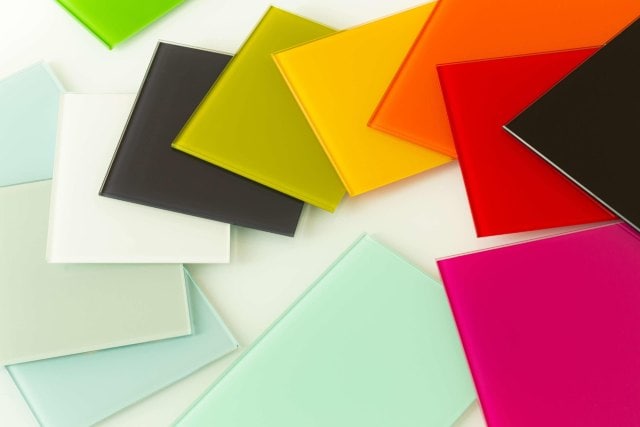
 CUSTOM OPTICAL FILTERS
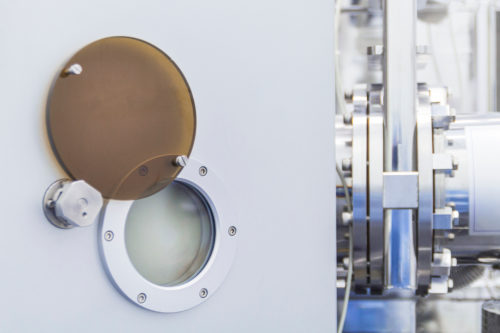 OPTICAL WINDOWS
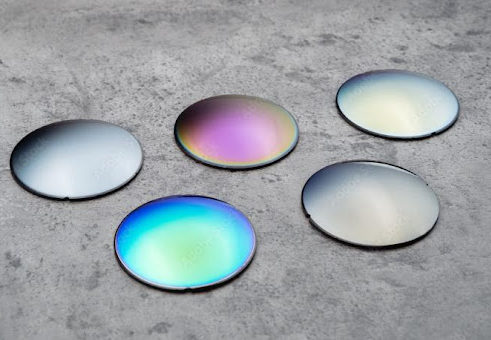 OPTICAL COATINGS
 UV OPTICS
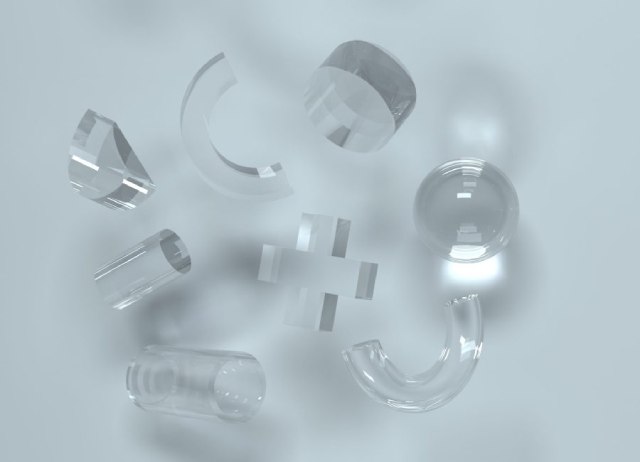 CYLINDRICAL OPTICS
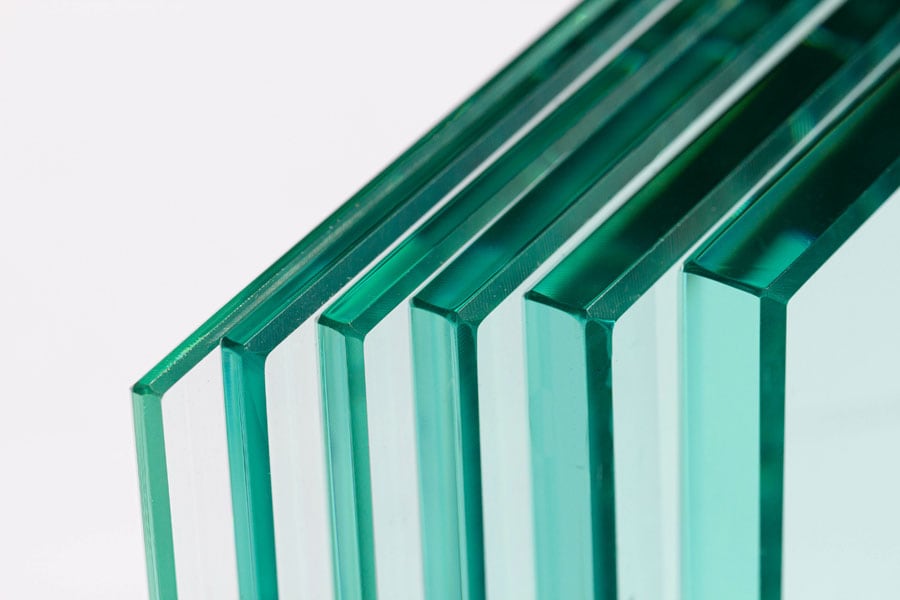 CUSTOM TEMPERED OPTICS
 OPTICAL MIRRORS
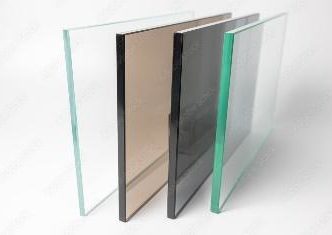 NEUTRAL DENSITY
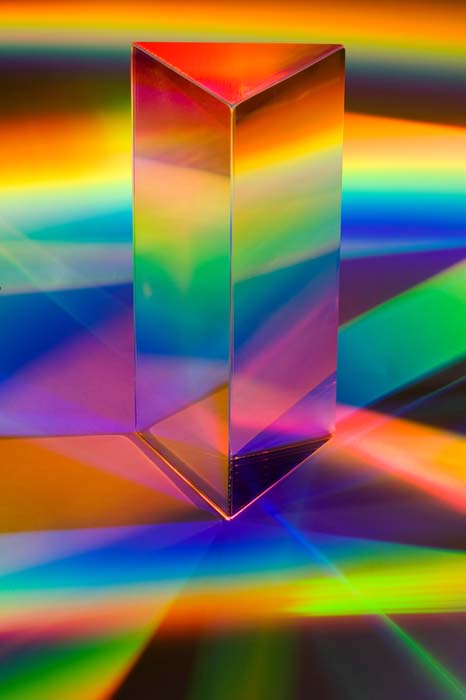 PRISMS & RETROREFLECTORS
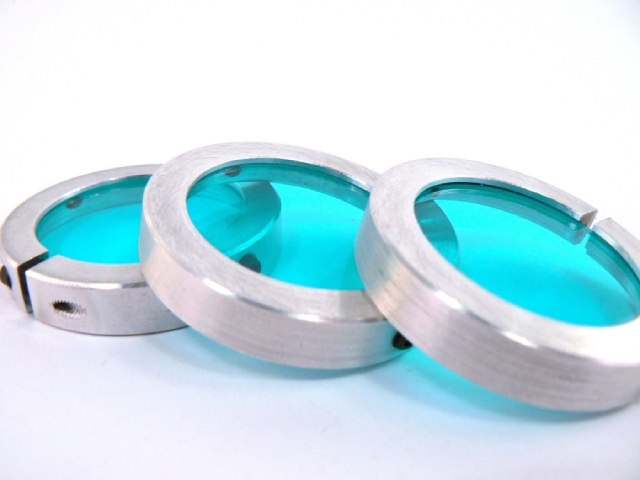 ASSEMBLIES
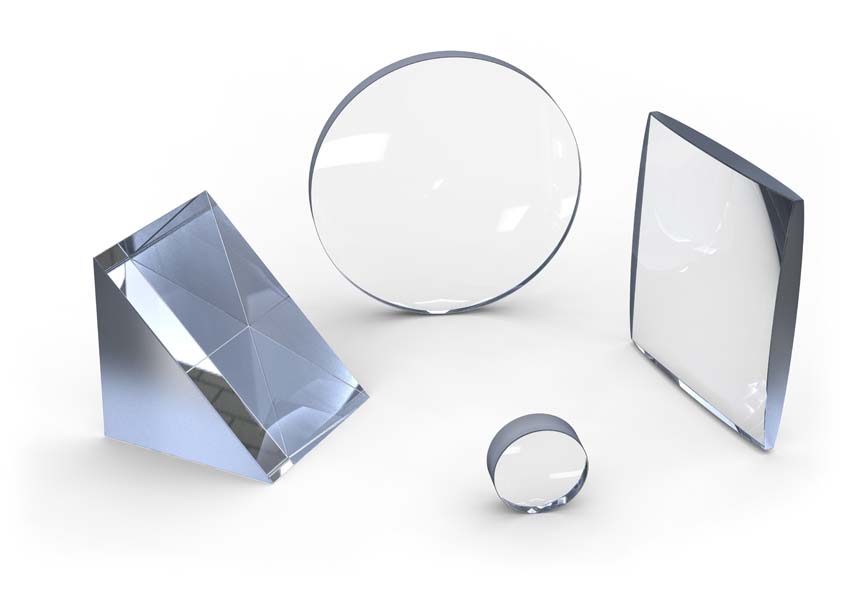 OPTICAL LENSES
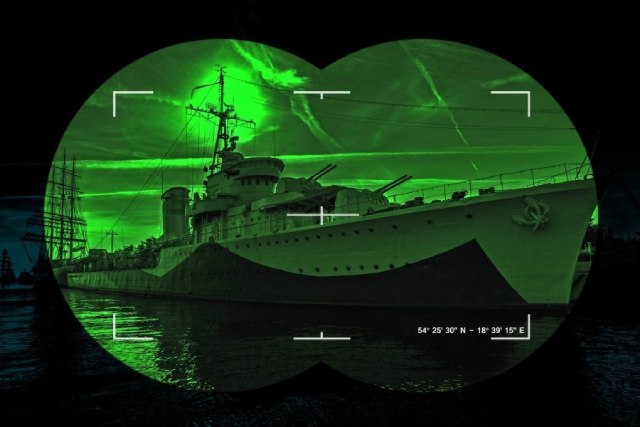 NIGHT VISION FILTERS
 ACHROMATIC LENSES
 OPTICAL BEAM SPLITTERS
Cold Mirrors in Optical Systems: How They Work, How They’re Made, and Why They Matter
Created at : Mar 24 2026
In optical systems, managing light is only half the challenge—managing heat is just as critical. Whether in projection systems, surgical lighting, or precision instrumentation, excess infrared radiation can degrade performance, damage components, or distort results.
This is where cold mirrors come in: highly engineered optical coatings designed to separate light from heat with remarkable precision.
What Is a Cold Mirror?
A cold mirror is a dielectric-coated optical component that:
- Reflects visible light (≈400–700 nm)
- Transmits infrared radiation (heat)
Unlike traditional metallic mirrors—which reflect both light and heat—cold mirrors ensure that only the useful portion of the spectrum is directed along the optical path. The unwanted heat is transmitted through the substrate and dissipated elsewhere.
The result: a “cool” reflected beam, which is essential in systems sensitive to thermal buildup.
Why Cold Mirrors Matter
In many applications, infrared radiation is not just unnecessary—it’s harmful.
Key Problems Caused by Infrared:
- Overheating of optical components
- Degradation of filters and sensors
- Thermal expansion causing misalignment
- Damage to heat-sensitive materials (e.g., artwork, biological tissue)
Cold mirrors solve this by acting as a spectral filter and reflector in one, improving both performance and longevity of optical systems.
How Cold Mirrors Work: Thin-Film Interference
At the heart of every cold mirror is a multilayer thin-film coating engineered to manipulate light through interference.
The Basic Principle
Cold mirrors rely on constructive and destructive interference:
- Visible wavelengths are reinforced (constructive interference) → reflected
- Infrared wavelengths are canceled or pass through (destructive interference) → transmitted
This behavior is achieved by stacking dozens of ultra-thin layers—each carefully controlled at the nanometer scale.
Layer Stack Design: Engineering the Spectrum
A cold mirror coating is typically built from alternating layers of:
- High refractive index materials (H)
- Low refractive index materials (L)
Typical Structure:
(Substrate) | (HL)^n | Matching layers | (Air)
- Each “HL pair” contributes to spectral shaping
- Total layer count often ranges from 20 to 60+ layers
Quarter-Wave Optical Thickness (QWOT)
Each layer is often designed using the quarter-wave principle:
- Thickness is tuned to a fraction of a target wavelength (typically ~550 nm)
- This creates strong reflection across the visible range
Beyond Simple Stacks: Broadband Engineering
Cold mirrors are not simple repeating stacks—they are highly optimized broadband designs.
Advanced Design Techniques:
- Chirped layers: Varying thicknesses to reflect the full visible spectrum
- Edge tuning: Sharp cutoff around ~700–750 nm
- Asymmetric stacks: Improve transition from reflection to transmission
The goal is a steep spectral edge:
- High reflectance in visible (>95%)
- High transmission in IR
Materials Used in Cold Mirror Coatings
Material selection is critical for optical performance, durability, and thermal handling.
High-Index Materials
- Titanium Dioxide (TiO₂)
- High refractive index (~2.3–2.5)
- Strong reflectance capability
- Tantalum Pentoxide (Ta₂O₅)
- Slightly lower index (~2.1)
- Excellent environmental stability
- Niobium Pentoxide (Nb₂O₅)
- Good optical performance in specialized designs
Low-Index Materials
- Silicon Dioxide (SiO₂)
- Industry standard (~1.45)
- Excellent transparency from UV to IR
- Magnesium Fluoride (MgF₂)
- Lower index (~1.38)
- Used in niche applications
Key Material Requirements
- Low absorption in IR → ensures heat passes through efficiently
- Thermal stability → withstands high radiant loads
- Mechanical durability → resists cracking and environmental stress
- Adhesion compatibility → bonds well to substrates like glass or fused silica
How Cold Mirrors Are Manufactured
The performance of a cold mirror depends not just on design, but on how precisely it is manufactured.
1. Electron Beam Evaporation (E-Beam)
A widely used method where materials are vaporized and deposited onto a substrate.
Pros:
- Cost-effective
- Suitable for large optics
Cons:
- Lower film density (unless enhanced)
- Slightly less precise optical control
2. Ion-Assisted Deposition (IAD)
An enhanced version of e-beam that uses ion bombardment during deposition.
Benefits:
- Denser films
- Better adhesion
- Improved environmental resistance
3. Sputtering Techniques
Ion Beam Sputtering (IBS)
- high precision and density
- optical control
Best for:
- High-performance optics
- Tight spectral tolerances
Magnetron Sputtering
- Scalable for production
- Excellent uniformity
Best for:
- Industrial-scale manufacturing
- Consistent coating quality
Critical Design Considerations
Angle of Incidence (AOI)
Most cold mirrors are designed for 45° incidence, which is common in optical systems.
- Optical performance shifts with angle
- Designers must account for spectral “blue shift” at higher angles
Polarization Effects
At non-normal angles:
- S-polarized and P-polarized light behave differently
Advanced coatings are engineered to minimize these differences and maintain uniform performance.
Thermal Management
Since infrared passes through:
- The substrate and downstream components must handle heat
- Often paired with:
- Heat sinks
- Absorptive backings
- Cooling systems
Where Cold Mirrors Are Used
Cold mirrors are essential in systems where light quality and thermal control must coexist.
Projection Systems
- LCD and DLP projectors
- Stage and theater lighting
- Prevents overheating of color wheels and optics
Medical and Surgical Lighting
- High-intensity lamps
- Fiber optic illumination
Benefit:
Delivers bright light without heating tissue or instruments
Museums and Displays
- Art galleries
- Exhibit lighting
Benefit:
Protects sensitive materials from heat damage
Optical Instruments
- Microscopes
- Imaging systems
Benefit:
Maintains optical clarity and system stability
Industrial & Laser Systems
- Beam steering
- Thermal load management
Benefit:
Protects sensitive downstream components
Cold Mirrors vs. Hot Mirrors
These two components are often confused but serve opposite roles:
| Type | Reflects | Transmits | Purpose |
|---|---|---|---|
| Cold Mirror | Visible | Infrared | Remove heat from reflected beam |
| Hot Mirror | Infrared | Visible | Block heat from entering system |
The Value of Precision in Cold Mirror Manufacturing
For optical manufacturers, producing high-quality cold mirrors requires:
- Tight control of layer thickness (nanometer scale)
- Accurate spectral edge definition
- Low scatter and absorption
- Durable, environmentally stable coatings
Even small deviations can shift performance, especially near the critical visible-to-IR transition.
Final Thoughts
Cold mirrors are a perfect example of how advanced materials engineering and optical physics intersect. What appears to be a simple reflective surface is actually a highly sophisticated multilayer system, precisely tuned to separate light from heat.
As optical systems continue to demand higher performance, greater efficiency, and improved thermal management, optical mirrors remain a foundational component—quietly enabling everything from surgical precision to cinematic projection.