
 CUSTOM OPTICAL FILTERS
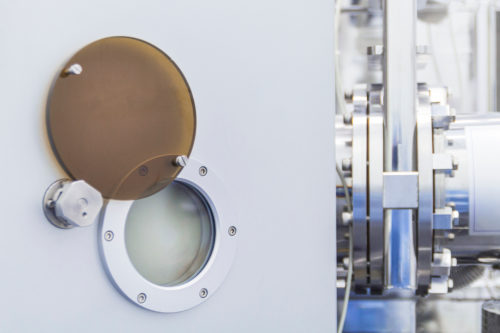 OPTICAL WINDOWS
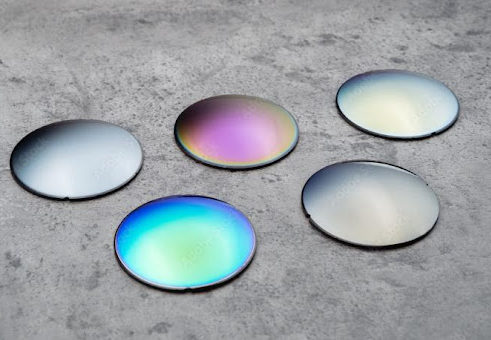 OPTICAL COATINGS
 UV OPTICS
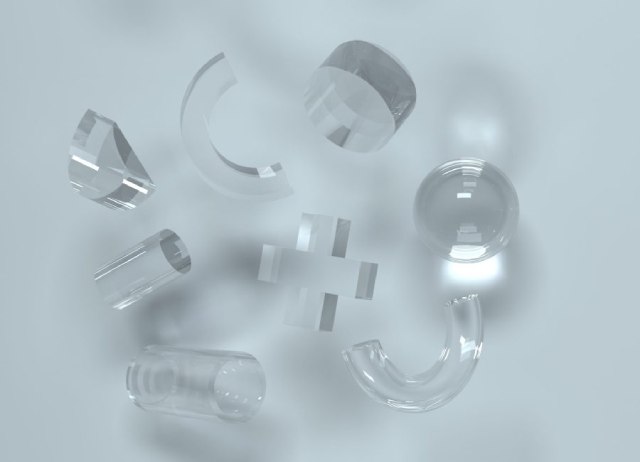 CYLINDRICAL OPTICS
 CUSTOM TEMPERED OPTICS
 OPTICAL MIRRORS
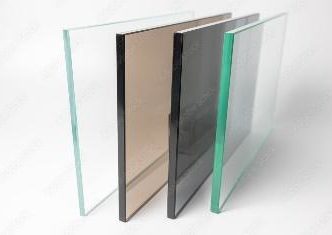 NEUTRAL DENSITY
 PRISMS & RETROREFLECTORS
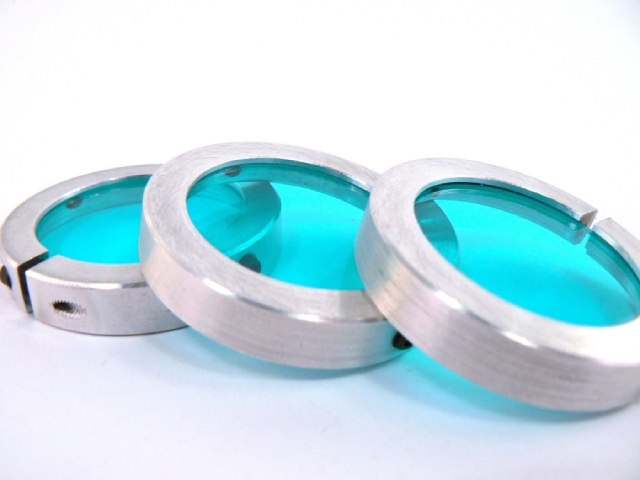 ASSEMBLIES
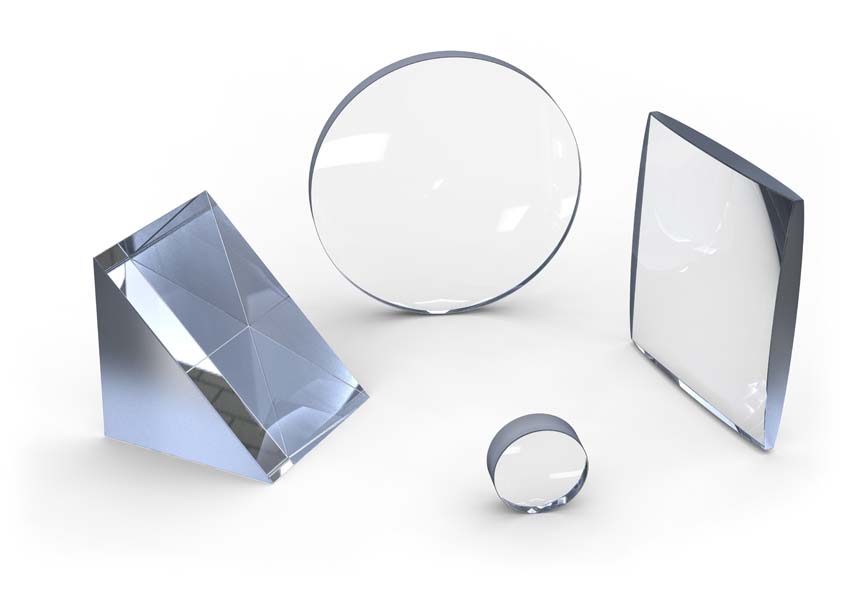 OPTICAL LENSES
 NIGHT VISION FILTERS
 ACHROMATIC LENSES
 OPTICAL BEAM SPLITTERS
How Optical Assemblies Are Created—and How They Perform in the Real World
Created at : Apr 15 2026
In a world increasingly driven by precision, automation, and advanced sensing technologies, optical assemblies sit quietly at the center of innovation. From life-saving medical imaging systems to high-powered laser cutting equipment and satellite-based surveillance, these integrated optical systems are what make modern technology see, measure, and interact with light in meaningful ways.
But while the applications are visible, the process behind creating an optical assembly—and ensuring it performs reliably across vastly different environments—is anything but simple.
Understanding the Optical Assembly: More Than the Sum of Its Parts
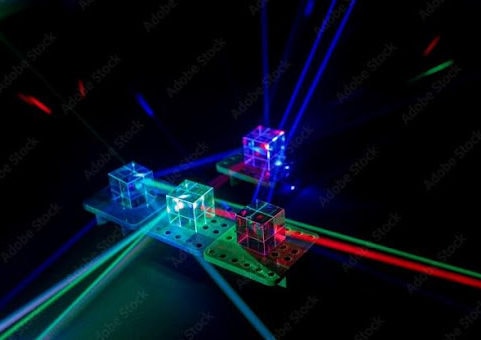
At its core, an optical assembly is not just a collection of lenses and mirrors—it is a precision-engineered systemdesigned to control light in a very specific way.
An assembly may include:
- Lenses for focusing or collimating light
- Mirrors for redirection
- Prisms for beam manipulation
- Filters for wavelength selection
- Optical coatings for performance enhancement
- Mechanical housings for stability and alignment
What makes an optical assembly unique is not the individual components, but the relationship between them. Each element must be positioned with extreme accuracy—often within microns—so that the system performs exactly as intended.
A slight misalignment can result in:
- Blurred images
- Reduced transmission efficiency
- Signal loss
- Complete system failure
This level of sensitivity is what makes the creation of optical assemblies both an art and a science.
The Creation Process: From Concept to Precision System
Defining the Objective
Every optical assembly begins with a clearly defined goal. Engineers must answer a series of critical questions:
- What wavelengths of light will the system use?
- What is the required resolution or accuracy?
- What environmental conditions will it face?
- What size and weight constraints exist?
For example, a system designed for laser cutting may require:
- High power handling
- Precise beam focusing
- Resistance to heat and contamination
Whereas a medical imaging system might prioritize:
- High resolution
- Minimal distortion
- Biocompatibility
This stage sets the foundation for everything that follows.
Optical Design and Simulation
Once the requirements are defined, engineers turn to advanced optical design software such as Zemax or Code V.
Here, they:
- Simulate how light travels through the system
- Select appropriate materials (e.g., fused silica, BK7, sapphire)
- Optimize lens shapes and spacing
- Correct for aberrations and distortions
This phase is highly iterative. Small changes in curvature, thickness, or spacing can dramatically impact performance.
The goal is to create a design that balances:
- Optical performance
- Manufacturability
- Cost efficiency
Component Fabrication
After the design is finalized, individual optical components are manufactured with extreme precision.
Key steps include:
- Grinding and polishing surfaces to nanometer-level smoothness
- Shaping lenses and prisms to exact geometries
- Inspecting surface quality and dimensional accuracy
Materials are chosen based on performance requirements:
- Fused silica for high thermal stability
- Sapphire for durability and scratch resistance
- Optical glass for general-purpose applications
Optical Coatings: Enhancing Performance
Optical coatings are one of the most critical—and often overlooked—elements of an assembly.
These thin-film layers are applied to surfaces to:
- Reduce reflection (anti-reflective coatings)
- Increase reflectivity (mirror coatings)
- Filter specific wavelengths (dichroic coatings)
- Protect against environmental damage
The design of these coatings involves stacking multiple layers of materials at precise thicknesses—often measured in nanometers.
A well-designed coating can:
- Dramatically improve transmission efficiency
- Extend component lifespan
- Enable entirely new optical functions
Mechanical Design: Holding Everything Together
Even the most perfectly designed optical system will fail if it cannot maintain alignment.
Mechanical engineers develop housings and mounts that:
- Secure components in place
- Compensate for thermal expansion
- Resist vibration and shock
- Protect against contaminants
This stage often involves:
- Precision machining
- Material selection (e.g., aluminum, stainless steel, specialized alloys)
- Thermal and structural analysis
The goal is to ensure that the optical system remains stable under all expected conditions.
Assembly and Alignment
This is where theory becomes reality.
During assembly:
- Components are carefully placed into the housing
- Alignment is performed using lasers, interferometers, and precision instruments
- Adjustments are made in real time to achieve optimal performance
In many cases, alignment tolerances are so tight that:
- Even slight temperature changes can affect results
- Specialized cleanroom environments are required
Once aligned, components are secured using:
- Mechanical fasteners
- Adhesives
- Optical bonding techniques
Testing and Validation
Before deployment, optical assemblies undergo rigorous testing.
This may include:
- Optical performance testing (focus, clarity, transmission)
- Environmental testing (temperature, humidity, vibration)
- Durability and lifecycle testing
The goal is to ensure that the assembly performs consistently—not just in ideal conditions, but in the real world.
Performance in Real-World Environments
One of the defining challenges of optical assemblies is ensuring performance across diverse and often extreme environments.
Let’s explore how these systems adapt.
High-Temperature Environments
Applications such as:
- Laser cutting
- Aerospace systems
- Industrial processing
Expose optical assemblies to significant heat.
Challenges:
- Thermal expansion can misalign components
- Coatings may degrade under high temperatures
- Materials can warp or crack
Solutions:
- Use of low-expansion materials like fused silica
- Thermal compensation in mechanical design
- High-temperature-resistant coatings
High-Vibration and Shock Environments
Common in:
- Aerospace and defense systems
- Automotive applications
- Industrial machinery
Challenges:
- Misalignment due to mechanical stress
- Component loosening or failure
Solutions:
- Robust mechanical housings
- Shock-absorbing designs
- Secure bonding and fastening methods
Vacuum and Space Environments
Space-based systems face unique challenges:
- No atmosphere
- Extreme temperature fluctuations
- Radiation exposure
Considerations:
- Materials must not outgas
- Coatings must withstand radiation
- Thermal management is critical
Optical assemblies used in satellites must be engineered to operate flawlessly in conditions where maintenance is impossible.
Contaminated or Harsh Industrial Environments
In manufacturing settings, optical systems may encounter:
- Dust
- Oil
- Chemical exposure
Challenges:
- Surface contamination reduces performance
- Coatings can degrade
Solutions:
- Protective windows and coatings
- Sealed housings
- Easy-to-clean designs
Medical and Cleanroom Environments
Medical applications demand:
- Sterility
- Biocompatibility
- High reliability
Considerations:
- Materials must meet strict regulatory standards
- Assemblies must maintain performance after sterilization
Why Custom Optical Assemblies Matter
Off-the-shelf optics may work for simple applications—but in high-performance systems, they often fall short.
Custom optical assemblies allow for:
- Tailored performance
- Integration into complex systems
- Optimization for specific environments
This is particularly important in industries like:
- Aerospace
- Medical devices
- Semiconductor manufacturing
- Advanced research
In these fields, precision is not optional—it is essential.
Bringing It All Together with Sterling Precision Optics
Creating a high-performance optical assembly requires expertise across multiple disciplines:
- Optical engineering
- Materials science
- Precision manufacturing
- Coating technology
- Mechanical design
This is where a specialized partner like Sterling Precision Optics becomes invaluable.
What Sterling Precision Optics Provides
Sterling Precision Optics supports customers throughout the entire process:
Custom Optical Components
They manufacture high-quality lenses, mirrors, and other optical elements tailored to specific applications.
Advanced Coatings
Their coating capabilities enhance performance, durability, and functionality across a wide range of environments.
Precision Assembly
Sterling ensures that all components are aligned and integrated to meet exacting specifications.
Real-World Performance Focus
They design assemblies not just for ideal conditions—but for the environments in which they will actually operate.
Who They Work With
Sterling Precision Optics typically partners with:
- OEMs developing advanced systems
- Engineers designing custom optical solutions
- Manufacturers requiring high-performance components
Their work spans industries such as:
- Aerospace and defense
- Medical devices
- Industrial manufacturing
- Scientific research
How to Get an Optical Assembly from Sterling Precision Optics
The process is collaborative and engineering-driven.
Step 1: Define Requirements
Customers provide:
- Application details
- Performance requirements
- Environmental conditions
Step 2: Design Consultation
Sterling works with engineers to:
- Refine the optical design
- Select materials and coatings
- Ensure manufacturability
Step 3: Prototyping
Initial assemblies are created and tested to validate performance.
Step 4: Production
Once validated, assemblies move into full-scale production with consistent quality control.
The Future of Optical Assemblies
As technology continues to evolve, the demand for advanced optical assemblies is only increasing.
Emerging trends include:
- Miniaturization for compact devices
- Integration with electronics and sensors
- Advanced coatings for new wavelength ranges
- Increased use in autonomous systems and AI-driven technologies
From LiDAR systems in self-driving cars to next-generation medical imaging devices, optical assemblies will continue to play a critical role in shaping the future.
Final Thoughts
Optical assemblies are the unseen engines behind many of today’s most advanced technologies. Their creation requires a delicate balance of science, engineering, and craftsmanship—where even the smallest detail can have a significant impact on performance.
From initial design to final deployment, every step in the process is focused on one goal:
Controlling light with absolute precision.
And in environments ranging from factory floors to outer space, that precision must hold.
For companies looking to push the boundaries of what’s possible, partnering with an experienced provider like Sterling Precision Optics ensures that their optical systems are not only designed for performance—but built to last in the real world.